
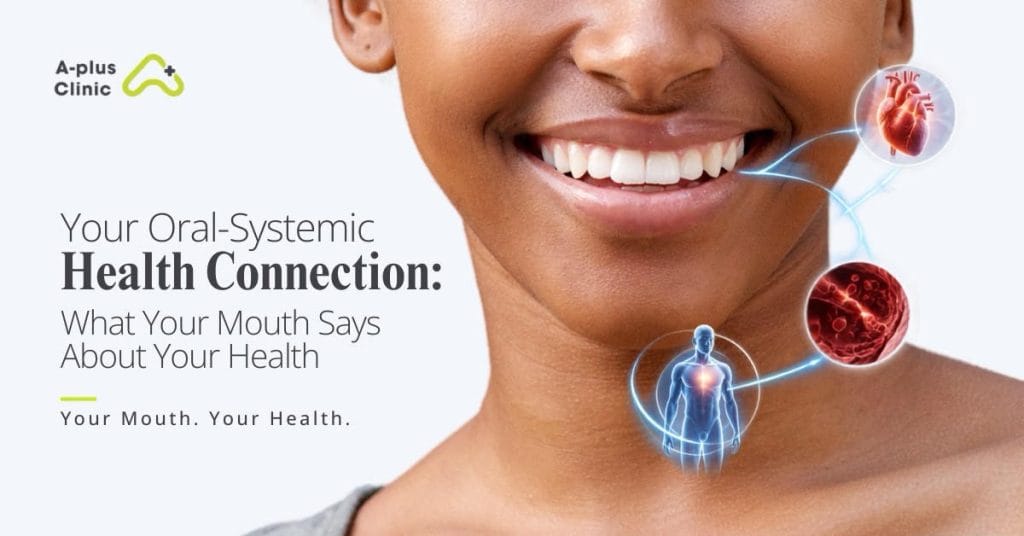
Your mouth is more than the entry way for your food. It provides a peak into your overall well-being, as conditions in your mouth can have a direct impact on diseases throughout your body. The link between oral and systemic health has transformed how medical and dental professionals approach patient care.
The Science Behind the Connection
Emerging research has indicated that oral health influences a variety of systemic disease such as cardiovascular disease, diabetes, respiratory conditions and adverse pregnancy outcomes. For example, periodontal disease, a chronic inflammatory condition affecting the supporting structure of the teeth which is associated with systemic inflammation. The oral cavity, is the home to a complex microbiome which can become a source of inflammation and infection, potentially impacting systemic health through bacterial invasion and mediators entering the bloodstream.
Let’s take a closer look at some of the most common illnesses associated with oral health issues.
Heart Disease
Cardiovascular disease is one of the most well-documented connections to oral health. Multiple studies show that those with periodontal disease face a higher risk of heart disease compared to those with healthy gums.
The bacteria that cause gum disease, particularly Porphyromonas gingivalis, have been found in plaques within coronary arteries. These bacteria don’t just hitchhike to your heart. They contribute to plaque formation and arterial inflammation.
Individuals with severe periodontitis experience significantly higher rates of heart attacks, strokes, and cardiovascular fatality. The inflammation pathway connecting gum disease to heart problems operates through multiple mechanisms, including endothelial dysfunction and an increased tendency for blood clotting.
Diabetes
If you’re living with type 1 diabetes, you’re might be aware of how it can impact various aspects of your health. Studies have shown that diabetes may be associated with a higher risk of certain oral health issues, including gum inflammation (gingivitis), cavities, and, over time, tooth loss.
The relationship between oral health and diabetes flows in both directions. Diabetes enhances the risk of gum disease, and gum disease makes diabetes harder to control. This creates a dangerous cycle that can make both conditions worse.
High blood sugar levels impair your immune system’s ability to fight bacterial infections, including those in your mouth. Diabetics often experience delayed wound healing, making it difficult for inflamed gums to recover. Meanwhile, chronic inflammation associated with periodontal disease increases insulin resistance.
Pregnancy Complications
Inflamed or bleeding gums act as gateways for oral bacteria. Everyday activities like chewing, brushing, or flossing can push bacteria through these inflamed areas, leading to a condition known as bacteraemia. During pregnancy, hormonal changes make gingival blood vessels more permeable and weaken the protective barrier of oral tissues, making it easier for bacteria to enter.
Some studies link severe gum disease to premature birth and low birth weight babies. The inflammatory mediators produced by infected gums can trigger preterm labor by affecting the placenta and fetal membranes. As a result, pregnant women with periodontitis have a much higher risk of delivering prematurely.
Improving maternal oral health also reduces the chance of passing cavity-causing bacteria to infants, which can decrease their risk of developing dental decay later in life. By maintaining good oral hygiene and attending regular dental check-ups, you not only protect yourself but also set the stage for your child’s future oral health.
Closing Thoughts
Dentistry is focused on prevention, risk assessment, and whole-person care. The goal is not to suggest that periodontal disease causes every systemic condition or that oral treatment alone can resolve broader health concerns. Rather, it is to recognize that oral health is one component of a patient’s overall health profile.
Taking care of your mouth means taking care of your whole body. Investing in good oral hygiene and regular dental care pays off by lowering your risk of serious systemic diseases and improving your overall quality of life. Schedule an appointment with us. If you have questions and you’d like to reach out to us, you can call us directly at (+27) 11 568 1680, or you can email us at info@aplusclinic.co.za. Don’t forget to follow us on social media Facebook, Instagram.